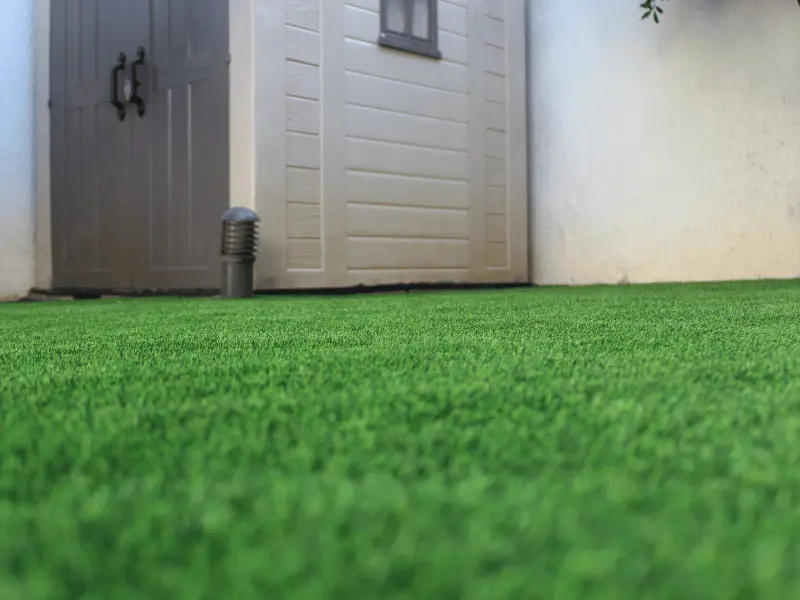
How to Install Artificial Grass for Your Backyard

Artificial Grass Installation Guide

Artificial Grass Solutions is your partner in transforming your backyard into a beautiful, low-maintenance oasis. Artificial grass, also known as synthetic turf, is a remarkable alternative to natural grass. It’s a man-made surface created to replicate the lush, vibrant look and feel of real grass without the demanding upkeep. With its versatility and durability, artificial grass is suitable for a wide range of applications, including creating stunning lawns, pet-friendly play areas, putting greens, and more. Say goodbye to the hassles of mowing, watering, and fertilizing, and say hello to a consistently green, pristine landscape. # How to Install Artificial Grass for Your Backyard

Installation Steps:

  1. Measure and Prepare the Area
  2. Prepare the Base
  3. Install Edging
  4. Add a Base Layer
  5. Roll Out and Trim the Artificial Grass
  6. Join Seams
  7. Secure the Grass
  8. Add Infill
  9. Brush and Maintain
How to Install Artificial Grass for Your Backyard

Materials and Tools You'll Need:

  • Artificial grass
  • Crushed stone or gravel
  • Landscape fabric
  • Edging material (e.g., bender board or landscape timbers)
  • Adhesive and seam tape (if necessary)
  • Nails or stakes
  • Weed barrier fabric (optional)
  • Sand (optional)
  • Vibratory plate compactor (optional)
  • Utility knife
  • Rake
  • Shovel
  • Wheelbarrow
  • Measuring tape
  • Stiff broom
  • Safety goggles and gloves
  • Begin by measuring the area where you want to install Artificial Grass. Take into account any unique shapes or curves.
  • Clear the space of existing grass, weeds, and debris, and consider using a herbicide to prevent future weed growth.

Step 1: Measure and Prepare the Area

  • Begin by measuring the area where you want to install Artificial Grass. Take into account any unique shapes or curves.
  • Clear the space of existing grass, weeds, and debris, and consider using a herbicide to prevent future weed growth.

Step 2: Prepare the Base

  • Excavate the Area: Dig down about 3-4 inches to remove the existing soil, creating a stable foundation for Artificial Grass.
  • Add Crushed Stone or Gravel: Fill the excavated area with a 2-3 inch layer of crushed stone or gravel, ensuring proper compaction.
  • Lay Weed Barrier Fabric (Optional): If you want to prevent weed growth, lay down weed barrier fabric over the crushed stone or gravel.

Step 3: Install Edging

  • Install edging material along the perimeter of the area to create a border that secures the Artificial Grass in place.

Step 4: Add a Base Layer

  • Spread a layer of finely crushed rock or sand (about 1 inch deep) over the compacted base. This layer provides additional stability and drainage.

Step 5: Roll Out and Trim the Artificial Grass

  • Roll Out the Grass: Unroll the artificial grass over the prepared area. Ensure the grass fibers are facing the desired direction.
  • Trim Excess: Use a utility knife to trim any excess grass along the edges to fit the space precisely.

Step 6: Join Seams

  • If your installation requires multiple rolls of artificial grass, use adhesive and seam tape to join the pieces together. Follow the manufacturer’s instructions for the adhesive.

Step 7: Secure the Grass

  • Use nails or stakes to secure the edges of the artificial grass to the edging material. Space them about 12-24 inches apart.

Step 8: Add Infill

  • Depending on the type of artificial grass you’ve chosen, you may need to add infill material (such as silica sand or rubber granules) to help stabilize the grass and provide cushioning.

Step 9: Brush and Maintain

  • Use a stiff broom to brush the grass fibers in the opposite direction to make them stand upright. This will give your artificial grass a more natural look.
  • Regularly clean the artificial grass by removing leaves, debris, and rinsing with water if needed.
  1. Low Maintenance: Artificial grass requires minimal upkeep compared to natural grass. You don’t need to mow, water, or fertilize it regularly.
  2. Durability: It can withstand heavy foot traffic, making it suitable for play areas, pets, and outdoor activities.
  3. Water Conservation: Artificial grass helps conserve water as it doesn’t require irrigation, which is especially beneficial in areas with water restrictions.
  4. Year-Round Greenery: Your backyard will stay green and lush throughout the year, regardless of weather conditions.
  5. No Allergies: Artificial grass doesn’t produce pollen, reducing allergen exposure.
  6. Cleanliness: It’s mud-free, so no more muddy paws or shoes after rain.

Click the following to learn more about Backyard Artificial Grass Benefits

Types Of Backyard Artificial Grass

Maintenance Tips on Backyard Artificial Grass:

  • Regular Cleaning: Remove debris, leaves, and pet waste regularly using a leaf blower or a plastic rake.
  • Rinsing: Occasionally hose down the surface to remove dust and freshen up the grass.
  • Brushing: Use a stiff bristle brush to keep the grass blades standing upright.
  • Weed Control: Check for any weeds that may grow along the edges and remove them promptly.
  • Pet Care: Clean up pet waste promptly and rinse the area to prevent odors.

Cost of Backyard Artificial Grass Installation:

The cost of installing artificial grass in your backyard can vary depending on factors such as the size of the area, type of grass, labor costs, and location. On average, you can expect to pay anywhere from R80 To R150 per square meter for installation. High-quality, realistic-looking grass may be on the higher end of that range. Additional costs may include base preparation and any extra features like drainage systems. For A More Detailed Quotation, Cilck Here.

Frequently Asked Questions

  • Artificial grass can last anywhere from 15 to 25 years or more, depending on factors like quality, maintenance, and usage.

  • Yes, artificial grass is pet-friendly and easy to clean. It's a great option for creating a safe and comfortable play area for your pets.

  • Yes, artificial grass can be installed over concrete or patio surfaces with proper preparation and adhesive.

  • Regularly remove debris and rinse with water. For more thorough cleaning, use a mild detergent and water solution. your veterinarian.

  • Yes, artificial grass conserves water, eliminates the need for chemical fertilizers and pesticides, and reduces carbon emissions associated with lawn care equipment.

  • It's possible to install artificial grass as a DIY project, but hiring professionals ensures a precise and long-lasting installation.

  • Yes, artificial grass is designed to withstand various weather conditions, including heavy rain and extreme heat, without fading or deteriorating.

Additional

At Artificial Grass Solutions, we are dedicated to providing you with the highest quality of  artificial grass  that effortlessly transform your outdoor spaces into vibrant, low-maintenance oases. Our commitment to excellence, attention to detail, and passion for creating lush, evergreen landscapes sets us apart. Say goodbye to the challenges of traditional lawn care and welcome the beauty and convenience of our artificial grass solutions. Let us be your partner in crafting the perfect outdoor environment that complements your lifestyle. Contact us today and discover how we can elevate your outdoor living experience with Artificial Grass Solutions. # How to Install Artificial Grass for Your Backyard

Catch the Green Wave: Learn How to Install Artificial Grass for Your Backyard Now and Contact Us for Expert Guidance!

Get In Touch With Us


# How to Install Artificial Grass for Your Backyard

[ez-toc]