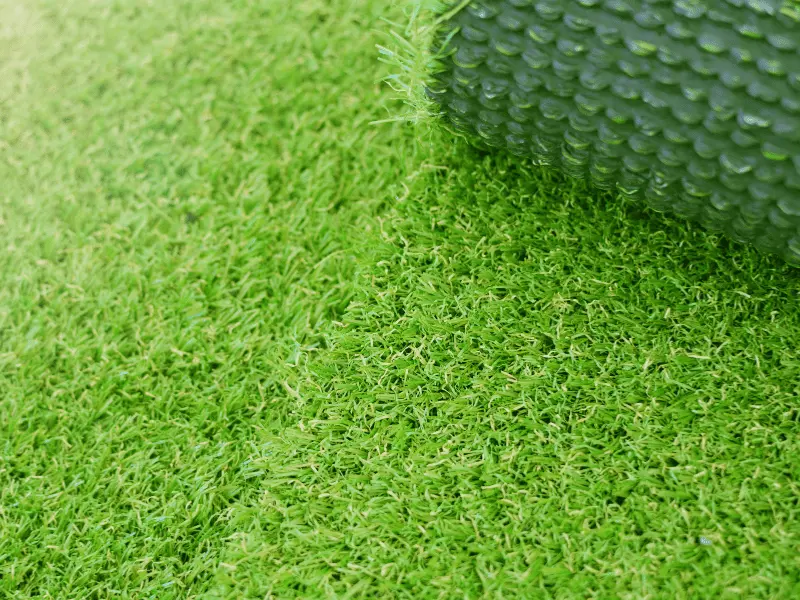
Complete Guide to Artificial Grass for Sports

Artificial Grass Solutions is your trusted partner for high-quality artificial grass installations in sports facilities. In this comprehensive guide, we will take you through everything you need to know about artificial grass for sports, from its history and benefits to installation and maintenance, all with a focus on how our expertise can benefit your sports facility.
#Complete Guide to Artificial Grass for Sports

Table Of Content:

  • History of Artificial Grass in Sports
  • Types of Artificial Grass for Sports
  • Advantages of Artificial Grass in Sports
  • Choosing the Right Artificial Grass for Your Sports Facility
  • Installation of Artificial Grass for Sports
  • Maintenance and Care
  • Safety Considerations
  • Environmental Impact and Sustainability
  • Cost and Budgeting
High-Quality Artificial Grass

1. History of Artificial Grass in Sports:

Artificial grass in sports has a rich history dating back to the mid-20th century. Originally developed as a solution to overcome the challenges of maintaining natural grass in sports stadiums, the concept of synthetic turf gained traction. In 1966, the Houston Astrodome became the first major sports facility to install artificial turf, marking a significant milestone. Over the years, the technology has evolved, resulting in the advanced synthetic turf systems we have today.

2. Types of Artificial Grass for Sports:

When it comes to artificial grass for sports, there are several important considerations. The choice of fiber type, such as monofilament or slit-film, can impact the turf’s performance and appearance. Pile height and density also play a crucial role in determining how the turf behaves underfoot. Additionally, the selection of infill materials can affect factors like shock absorption and ball bounce. Artificial Grass Solutions offers a wide range of options to cater to various sports needs.

3. Advantages of Artificial Grass in Sports:

Artificial grass provides numerous advantages for sports facilities. It offers consistent playability, ensuring athletes have a reliable surface to practice and compete on. Its durability allows it to withstand heavy usage and remain in top condition, even in adverse weather conditions. Low maintenance requirements save time and resources, while the long-term cost-effectiveness makes it an attractive investment for sports facility owners.

4. Choosing the Right Artificial Grass for Your Sports Facility:

Choosing the right artificial grass for your sports facility involves a detailed assessment of your sport’s specific requirements. Factors such as the type of sport, expected usage, and the desired playing characteristics are crucial. Artificial Grass Solutions offers expert consultation to help you make an informed decision that aligns with your budget and goals.

5. Installation of Artificial Grass for Sports:

Artificial Grass Solutions specializes in professional installation. The process begins with site preparation, including base construction to ensure proper drainage and stability. Our team meticulously installs the turf, paying close attention to seam quality and infill distribution. We can also customize the surface with precise line and logo markings to meet your facility’s unique needs.

6. Maintenance and Care:

Maintaining artificial grass involves regular cleaning and grooming. Artificial Grass Solutions’ experts recommend using specialized equipment and techniques to keep the turf in top condition. Handling stains and contaminants promptly is essential to preserve the turf’s aesthetics. Seasonal maintenance plans provided by our team help extend the lifespan of your artificial grass.

7. Safety Considerations:

Safety is a paramount concern in sports facilities. Artificial Grass Solutions prioritizes impact absorption and injury prevention by ensuring that our turf meets safety standards. Our artificial grass is also designed to withstand high temperatures, and we can implement cooling measures to protect players during hot weather. We take pride in maintaining quality standards and certifications to ensure player safety.

8. Environmental Impact and Sustainability:

Artificial Grass Solutions is committed to sustainability. When it’s time to replace old turf, we handle recycling and disposal responsibly. Our manufacturing practices are designed with sustainability in mind, and artificial grass conserves water compared to natural grass. We offer options for LEED certification, reflecting our dedication to environmental responsibility.

9. Cost and Budgeting:

The cost of artificial grass installation varies depending on factors such as turf type, size of the area, and specific requirements. Artificial Grass Solutions provides guidance on budgeting to ensure your investment aligns with your financial capabilities. While there are initial installation costs, the long-term savings and return on investment are significant, making it a wise financial choice. We also assist in exploring funding options and grants.

Frequently Asked Questions

  • Artificial grass is versatile and can be customized to suit various sports. While it's commonly used in football, soccer, and baseball, it can also be adapted for sports like golf, tennis, and rugby. The choice of turf type and infill materials plays a key role in tailoring the surface to the specific sport's needs.

    1.  
  • Artificial grass is designed with player safety in mind. It offers consistent shock absorption and impact resistance, reducing the risk of injuries. Additionally, measures like heat-resistant technology and quality standards ensure that the playing surface remains safe and comfortable in different weather conditions.

  • The lifespan of artificial grass depends on factors such as the quality of the turf, the level of usage, and proper maintenance. High-quality artificial grass can last anywhere from 10 to 20 years or more, making it a long-lasting and cost-effective choice for sports facilities.

  • Yes, artificial grass can be environmentally friendly. Many manufacturers, including Artificial Grass Solutions, follow sustainable manufacturing practices and offer options for recycling and disposing of old turf responsibly. Additionally, artificial grass conserves water compared to natural grass, contributing to water conservation efforts.

  • Maintenance for artificial grass in sports facilities is relatively low. It involves regular cleaning, grooming, and debris removal. Stains and contaminants should be addressed promptly to maintain the turf's aesthetics. Seasonal maintenance plans are recommended to ensure the turf remains in optimal condition, and specialized equipment is often used to maintain its appearance and performance.

Additional

In conclusion, this comprehensive guide equips you with the knowledge needed to make informed decisions about artificial grass in sports. With the expertise and commitment of Artificial Grass Solutions, your sports facility can enjoy the advantages of a reliable, durable, and cost-effective playing surface. Our dedication to safety and sustainability ensures that you are making a responsible choice for your athletes and the environment. Contact Us for further information. 

Ready to Elevate Your Sports Facility? Contact Artificial Grass Solutions Today!

Get In Touch With Us


# Complete Guide to Artificial Grass for Sports

[ez-toc]